Can You Get Invisalign® with Crowns or Fillings? What to Know First
Source: Dr. Marketing
For many adults considering Invisalign®, the excitement of finally improving their smile often comes with hesitation. Straightening teeth sounds appealing, but questions begin to surface once patients start thinking about the dental work they already have. Crowns, fillings, bonding, and older restorations are incredibly common among adults, especially those exploring orthodontic treatment later in life. One of the most frequent concerns patients ask is whether Invisalign® can still work properly when previous dental treatment is already part of the picture.
The answer is often yes, but the conversation is much more detailed than simply determining whether aligners fit over teeth with restorations. Invisalign® treatment affects the bite, the pressure between teeth, the gums, and the long-term stability of existing dental work. This is why the planning stage matters so much.
At Surfside Dental in Cape Coral and Fort Myers, Invisalign® consultations are approached with a strong focus on overall oral health, not just cosmetic alignment. Before treatment begins, it is important to understand how the teeth, restorations, and supporting structures will respond to movement over time.
Why More Adults with Dental Work Are Considering Invisalign®

Orthodontic treatment is no longer associated only with teenagers. Adults are increasingly exploring Invisalign® because they want to improve crowding, spacing, bite alignment, or shifting teeth without traditional braces. Many of these patients already have years of dental history behind them, including fillings, crowns, and restorative procedures completed long before orthodontic treatment was ever considered.
This creates a different type of treatment-planning process compared to younger patients with untouched natural teeth.
At Surfside Dental in Cape Coral and Fort Myers, many Invisalign® patients are surprised to learn that existing restorations do not automatically prevent tooth movement. Teeth with crowns or fillings can often move normally because the movement occurs within the surrounding bone and ligament structures rather than in the restoration itself.
However, what matters is the condition of those restorations before movement begins.
A healthy tooth with a stable filling may respond very differently from a tooth with an older restoration, hidden decay, or structural weakness. That distinction becomes extremely important once orthodontic pressure is introduced.
Crowns and Fillings Change the Way Invisalign® Must Be Planned
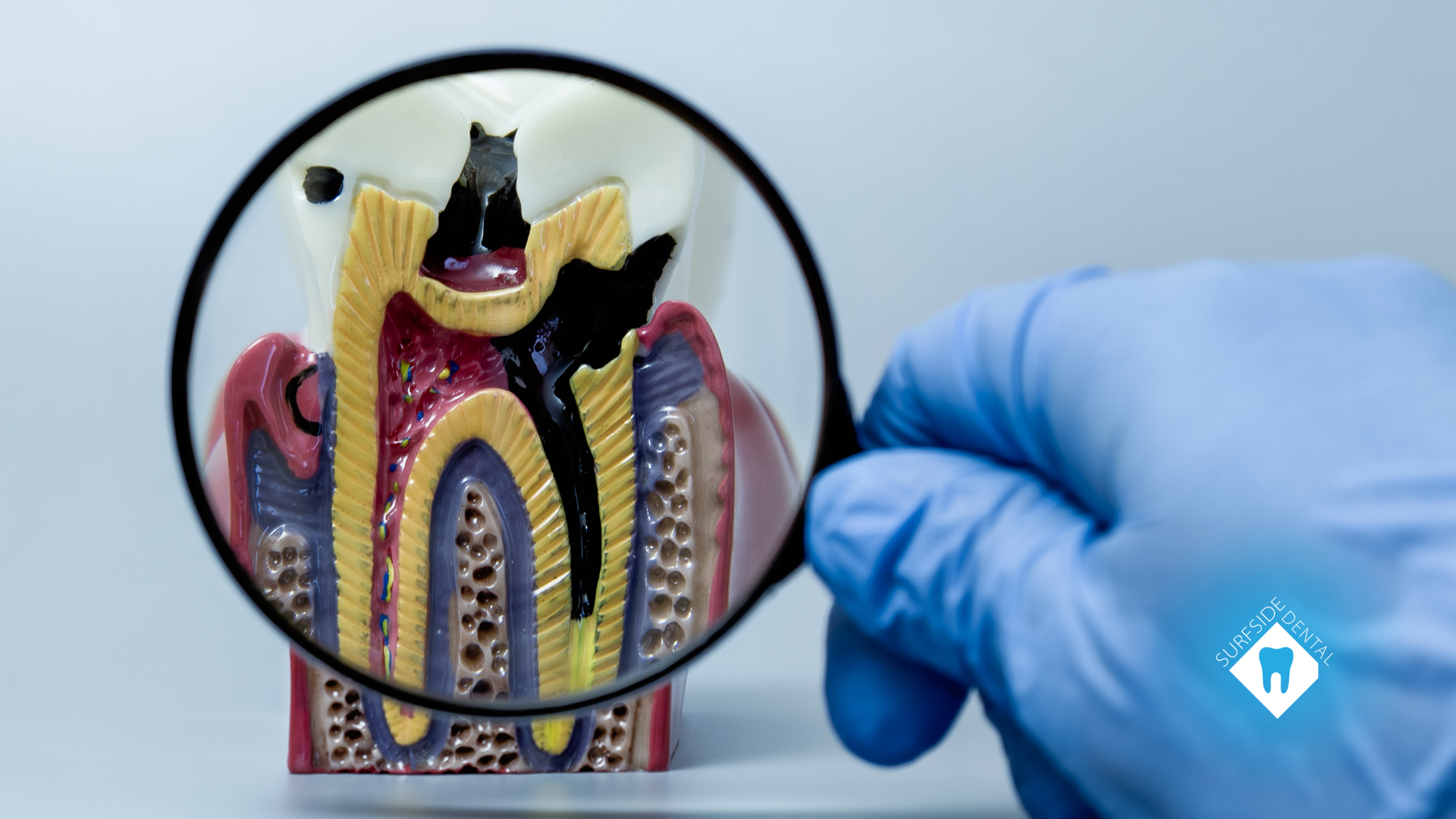
One of the biggest misconceptions about Invisalign® is that the trays themselves are the most important part of treatment. In reality, successful cases depend heavily on diagnosis and planning long before the first aligner is ever worn. When crowns or fillings are present, our dentists evaluate:
- The stability of the restoration
- The health of the tooth underneath
- Existing bite pressure
- Bone support around the tooth
- Signs of wear, leakage, or fracture
At Surfside Dental in Cape Coral and Fort Myers, this evaluation helps determine whether the mouth is truly ready for orthodontic movement or whether certain concerns should be addressed beforehand. For example, a small filling in good condition may not affect treatment at all. On the other hand, an aging crown with poor margins or a weakened tooth underneath may require attention before Invisalign® begins.
This is not about making treatment more complicated. It is about protecting long-term oral health while creating more predictable orthodontic results.
Why the Initial Examination Is So Important

Many patients assume Invisalign® treatment begins with scans and digital simulations. While those tools are certainly important, the foundation of successful treatment starts with a comprehensive oral examination. At our office, Invisalign® planning begins with evaluating the mouth as a whole rather than focusing only on crooked teeth. This examination typically includes:
- Assessment of crowns and fillings
- Evaluation of gum health
- Bite analysis
- Tooth wear assessment
- Digital imaging and X-rays
- Review of jaw alignment and function
Patients often discover issues during this process that they were not previously aware of. Small cracks, failing restorations, bite imbalances, or hidden decay can become more significant once teeth begin moving. Identifying these concerns early helps prevent complications later in treatment.
Gum Health Plays a Bigger Role Than Many Patients Realize

One of the most overlooked parts of Invisalign® treatment is periodontal health. Teeth rely heavily on surrounding bone and gum support during orthodontic movement. If inflammation or gum disease already exists, shifting teeth can place additional stress on compromised tissues. This is why gum evaluations are a critical part of Invisalign® planning at Surfside Dental in Cape Coral and Fort Myers. Before treatment begins, we look for:
- Signs of gum inflammation
- Bone loss around teeth
- Gum recession
- Areas of instability or active infection
Patients with untreated periodontal issues may need to stabilize their gum health before orthodontic treatment can safely begin. While this may temporarily delay aligners, it often protects the long-term success of both the Invisalign® treatment and the existing dental work.
Why Personalized Planning Matters So Much
No two Invisalign® cases are exactly alike, especially when crowns or fillings are involved. Two patients may have similar crowding but completely different treatment needs depending on their oral health history. This is why personalized treatment planning matters so much.
At Surfside Dental in Cape Coral and Fort Myers, Invisalign® treatment is approached with long-term stability in mind. Every stage of the process is designed to support healthy movement while protecting the teeth and restorations already present. Rather than rushing into treatment, the focus remains on understanding:
- Which teeth can move safely
- How restorations may respond to pressure
- Whether bite adjustments are needed
- What will create the most stable final result
Patients often feel far more confident moving forward once they understand the reasoning behind these evaluations.
The Goal Is Not Just Straighter Teeth
One of the most important things patients should understand is that successful Invisalign® treatment is about more than appearance alone. The goal is not simply to create straighter teeth for a short-term cosmetic improvement. The focus is on building a healthier and more balanced foundation that supports the smile long after treatment is complete.
Having crowns or fillings does not automatically prevent someone from wearing Invisalign®. In many cases, patients with previous dental work achieve excellent orthodontic results with properly planned treatment. The key is making sure the mouth is healthy and stable before movement begins.
Comprehensive examinations, digital imaging, bite analysis, and gum evaluations all play an important role in determining whether Invisalign® is the right choice and how treatment should be approached safely.
At Surfside Dental in Cape Coral and Fort Myers, patients receive a more detailed and personalized evaluation designed to support both the appearance and long-term health of their smile. When Invisalign® is planned carefully, it can work successfully alongside crowns and fillings while improving comfort, alignment, and overall function. Contact our team today to schedule your evaluation!